
Guilds
Guilds turn your main legion into co-op and war progress
The live guild setup is practical and game-linked. It is less about chat and more about making sure every member has a ready Main Legion, a clear co-op role, and a reason to keep strengthening their account for shared progress.
Guilds are built around the Guild Hall and your selected Main Legion. That same legion is used for guild co-op readiness, partner boss runs, and the unit your account contributes to Guild War.
Section 1
How to set your main legion
The game treats one legion as your Main Legion, and social systems read from that selection instead of guessing.
- Open the world-map legion management flow and use the Manage Your Legion screen to choose which legion becomes your Main Legion.
- When you switch it, the game saves that legion as your active social-combat source of truth and shows a confirmation toast.
- Guild systems and Arena both check this Main Legion before letting you enter their battle flows.
- If your Main Legion has no usable units, guild-linked combat entry is blocked until you set or rebuild it properly.
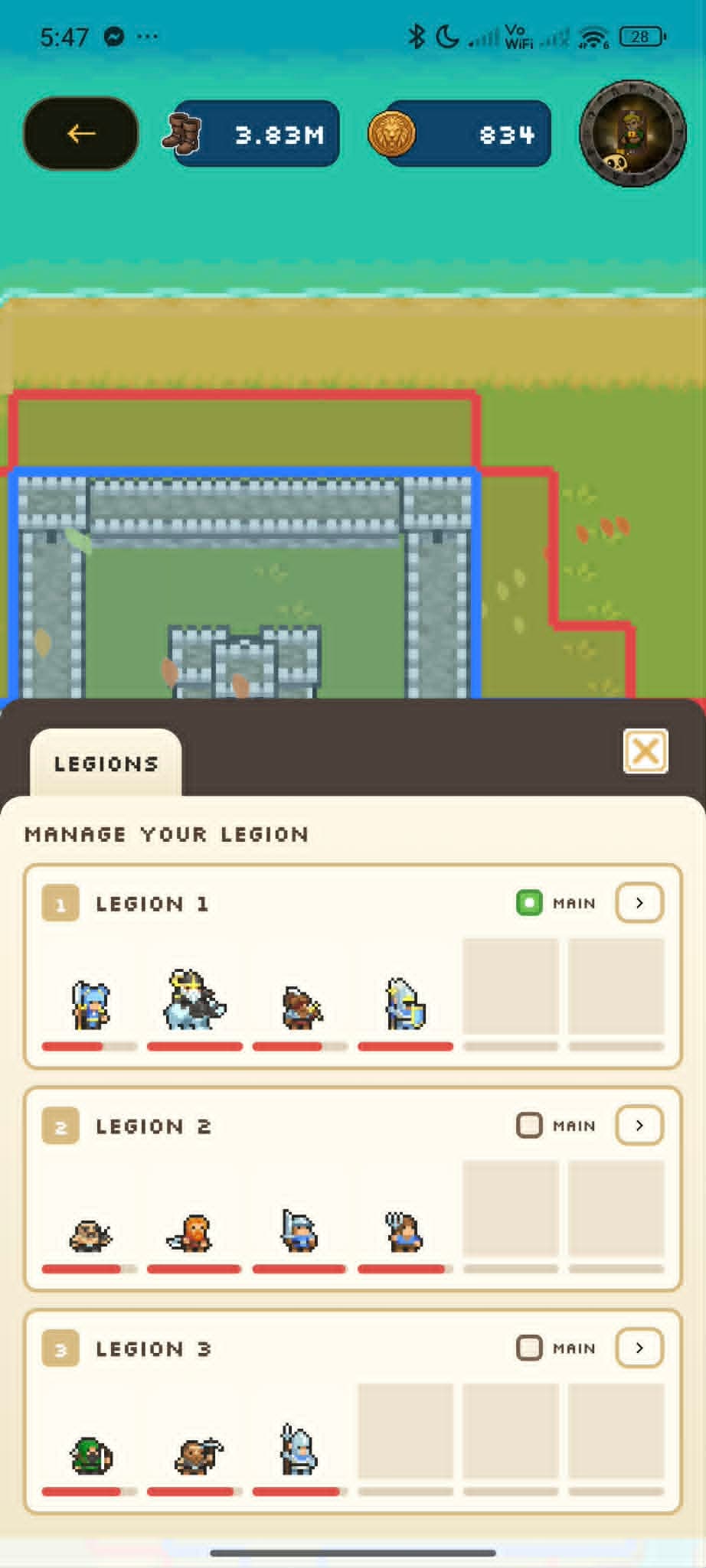
Main Legion Setup
The legion management screen where players choose which legion becomes their Main Legion for guild and arena systems.
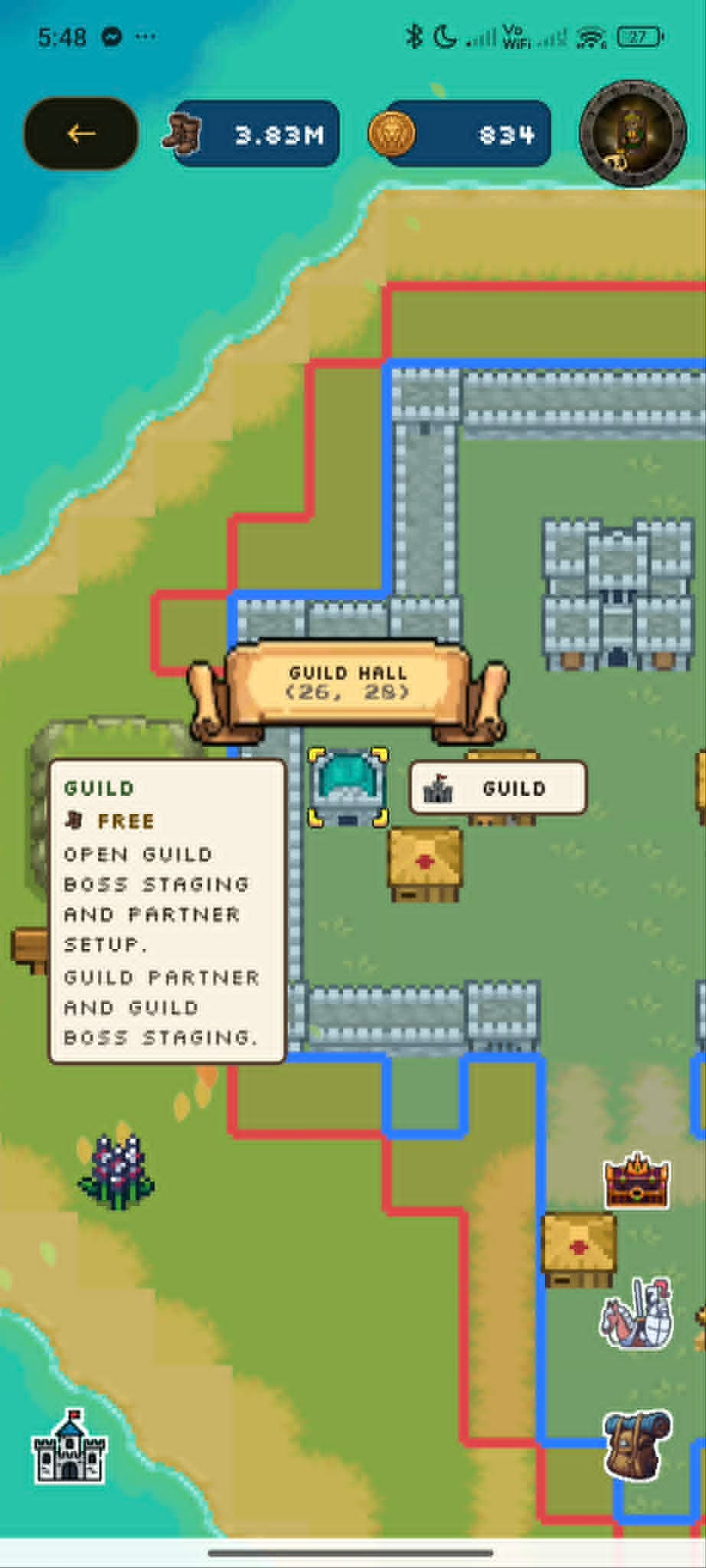
Guild Hall
The Guild Hall on the world map, which opens guild boss staging, partner setup, and Guild War access.
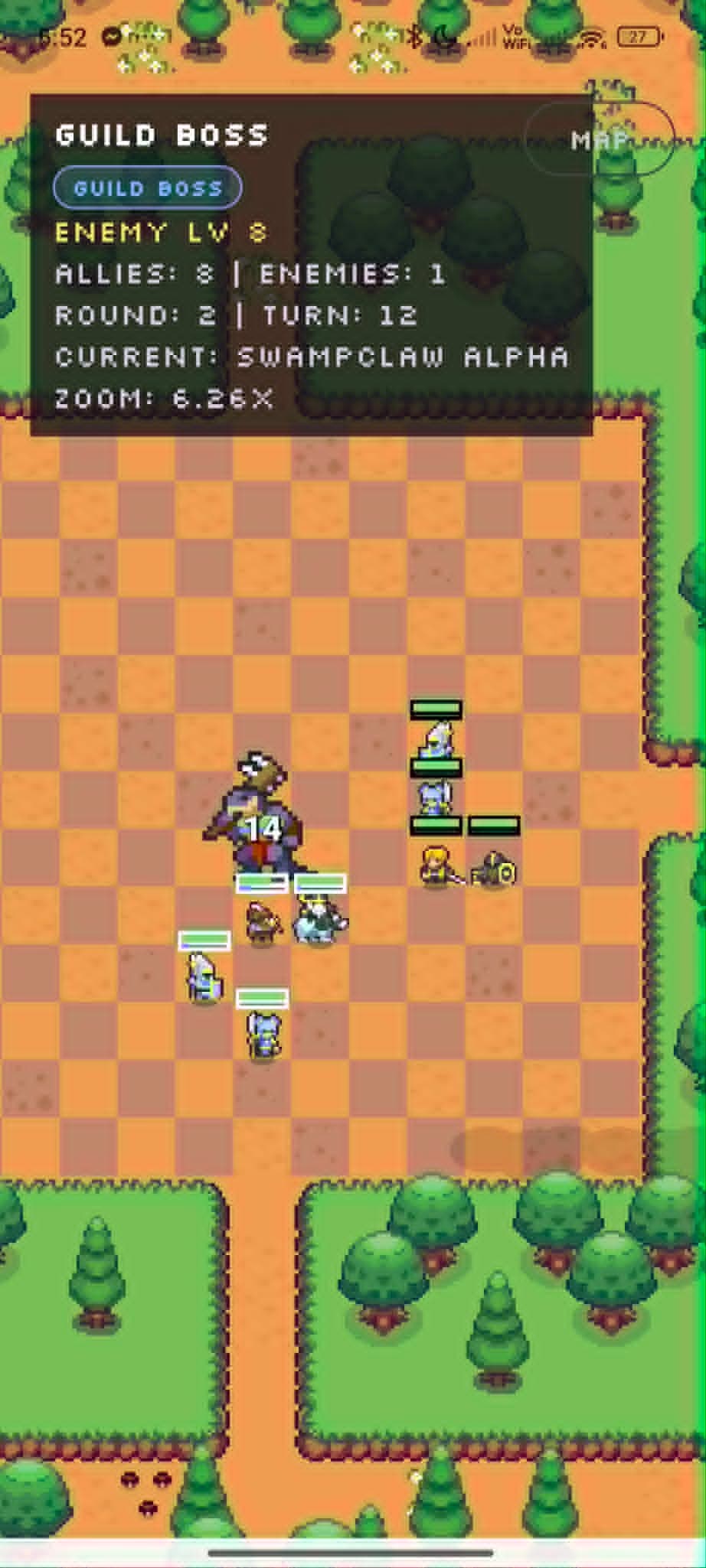
Guild Boss Battle
A live guild boss battle where your Main Legion fights alongside a guild partner against PvE content.
Section 2
Why guild leadership matters
Guilds work best when the leader is not only active, but also strong and organized.
- A strong guild leader can keep the guild roster organized around ready Main Legions and active members.
- Because guild co-op uses real player legions, stronger members such as guild leaders can directly help weaker members push harder PvE content.
- That makes guild leadership important even before deep guild features arrive, because the leader helps turn individual account strength into group progress.
- This becomes even more valuable as the guild grows toward future Guild Hall and social progression systems.
Section 3
How guild co-op works right now
The current guild co-op loop is PvE-first and built around partner help.
- From the Guild Hall, you choose one ready guild member as your partner.
- Your local Main Legion and your partner's Main Legion snapshot go hand in hand against the selected guild boss.
- Right now the player who initiates the guild boss battle is the one who receives the run rewards.
- If the run succeeds, guild progress also moves forward through Guild Points, so stronger members helping weaker members is still a win-win for the guild.
- That reward rule may change later as the co-op balance is refined, but today guild co-op is mainly about helping a member clear stronger PvE content.
Section 4
How guild war uses every member
Guild War is not a one-player duel. It builds one combined guild roster from ready members.
- Each member contributes the leader unit from the first occupied slot of their ready Main Legion.
- That means every member who keeps a strong Main Legion ready can help the guild in war.
- The combined guild war roster can reach up to 12 units per guild.
- This turns everyday account building into guild-wide pressure, because your personal Main Legion strength affects the whole war lineup.
- As of now, every guild member is allowed to initiate a Guild War run.
Section 5
How guild war ranking works today
Guild War has its own visible ladder plus hidden matchmaking pressure.
- Guild War uses six current ranks: Banner, Company, Battalion, Warband, Legion, and Dominion.
- Every guild also tracks points, wins, losses, and hidden MMR behind the public tier.
- Winning a Guild War increases your guild's war progress and also earns Guild Points for the guild.
- That means one good war result helps both the competitive ladder and the broader guild leaderboard.
- Guild War also has a soft reset every 6 months, lowering rank by 1 tier instead of wiping all progress.
Section 6
Why matchmaking feels loose at the start
Early Guild War matching is intentionally more flexible while the player pool is still small.
- At launch, matchmaking randomness is acceptable because there are still relatively few active guilds to pair.
- That means early wars may not always feel perfectly even from one match to the next.
- This is already expected by the design, not an accident.
- The backend is already being prepared to lean more on guild rank and hidden MMR later so matches can become fairer as the population grows.
Section 7
What guild points do today
Guild points already matter, even if their long-term uses are still growing.
- Guild points come from guild PvE and Guild War progress.
- Right now they are mainly used for guild leaderboard standing and public momentum tracking.
- That still gives guilds a shared score to chase while the social side of the game expands.
- The future direction is for guild points to connect more naturally to Guild Hall identity and ideas like guild hangout spaces or decoration progress.